Lawn care in Austin that works with the grass, the clay and the watering schedule
A lawn in Central Texas is not the lawn in the seed-bag photo. It is a warm-season grass on heavy clay or thin limestone soil, watered on an assigned day, that has to survive twelve weeks above 95 degrees. The program is built around that, not against it.
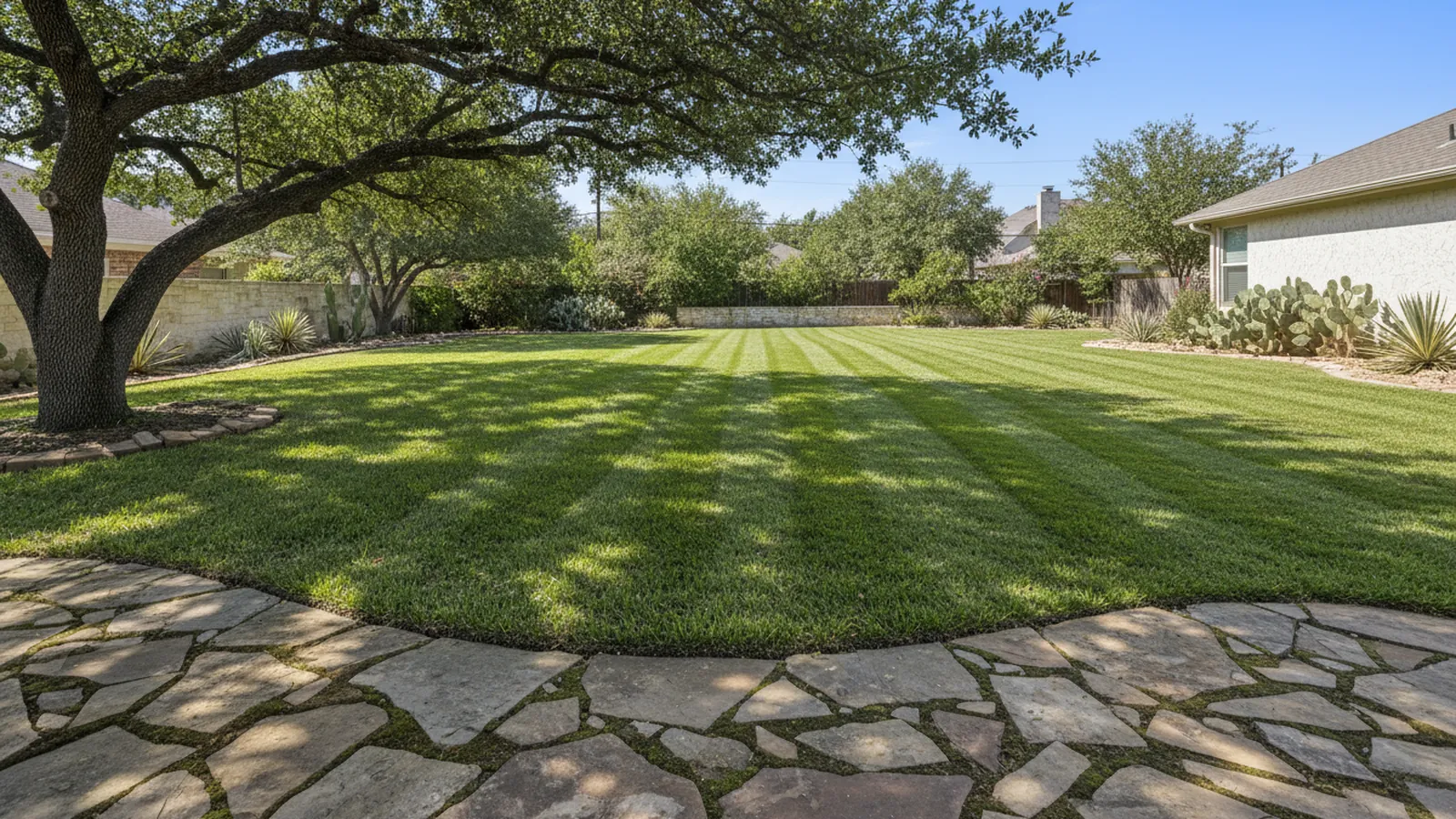
Start with the grass. Bermuda is the sun grass: tough, drought-tolerant, happy to be mowed short, dormant and tan from December to March. St. Augustine is the shade grass, the wide-bladed lawn under the live oaks in older Austin neighborhoods, thirsty and prone to chinch bugs and brown patch in a hot, humid August. Zoysia is the compromise: dense, slow, tolerant of part shade, expensive to establish and slow to repair. Most Austin lawns are one of the three, and a surprising number are a mix the previous owner never noticed. The program starts by identifying what is there, because every date and rate below depends on it.
The year runs like this. February: pre-emergent for crabgrass and summer weeds before the soil reaches 55°F, which in Austin is early. March to May: first feeding once the grass is fully green, mowing starts weekly, broadleaf weeds spot-treated. June to September: mow high, water deep on the assigned day, hold the fertilizer when the grass goes heat-dormant, watch St. Augustine for chinch bugs and fungus. September: second pre-emergent for winter weeds, a fall feeding. October and November: aeration on compacted clay, overseeding only where a rye cover is wanted for winter green. December and January: leaf cleanup, mowing every few weeks, cutbacks in the beds. Each visit is logged so the program adjusts to the year's weather rather than a fixed calendar.
Chemical applications, the pre-emergent, the weed control and any insect or fungus treatment, are done by a contractor holding a Texas Department of Agriculture applicator licence, which the state requires for commercial application. Feeding, mowing, aeration and cultural work need no licence. The watering side is handled with the irrigation service: an audit of the system against Austin Water's schedule is often the single most useful thing done to a struggling lawn.
What the crew brings to it
Grass identified first
Bermuda, St. Augustine, Zoysia or a mix, because every rate and date in the program depends on it.
Austin's calendar, not a national one
Pre-emergent in February and September, feeding when the grass is green, nothing during heat dormancy.
Licensed applications
Pre-emergent, weed, insect and fungus treatments applied by a TDA-licensed applicator.
Mowing height by season
Short in spring, high in summer, so the grass shades its own roots through August.
Water inside the rules
Deep, infrequent watering on the assigned day, with the sprinkler system audited by a licensed irrigator.
Visit logs
Each visit noted and photographed, so the program responds to the year instead of a fixed schedule.
Lawn care around Austin: 2026 prices
| Job | Range | Depends on |
|---|---|---|
| Basic program, monthly (mow, edge, blow weekly in season) | $150 – $220 | Lot size |
| Full program, monthly (adds feeding, pre-emergent, weed control) | $200 – $300 | Lot size, grass type |
| Pre-emergent application, each | $60 – $120 | Lawn area; February and September |
| Fertilization, each | $55 – $110 | Lawn area, product |
| Core aeration | $90 – $200 | Lawn area; fall on clay |
| Chinch bug or fungus treatment | $80 – $160 | St. Augustine mostly |
| Spring or fall cleanup | $150 – $400 | Leaves, cutbacks, bed refresh |
| Winter rye overseeding | $120 – $300 | Only if winter green is wanted |
Ranges for Austin and the surrounding Williamson and Hays County towns in 2026, to help you plan. The written estimate after the walk-through is the price; it is itemized, free, and good for 30 days.
On the job
Questions about lawn care
Why does my St. Augustine die every August?
Usually chinch bugs, which attack hot, sunny stretches of St. Augustine, or brown patch fungus after humid nights, or simply too little water on the assigned days. A look in July tells which; the fix is a treatment, a watering change, or in full sun, a switch to Bermuda or Zoysia.
When should the lawn be fertilized?
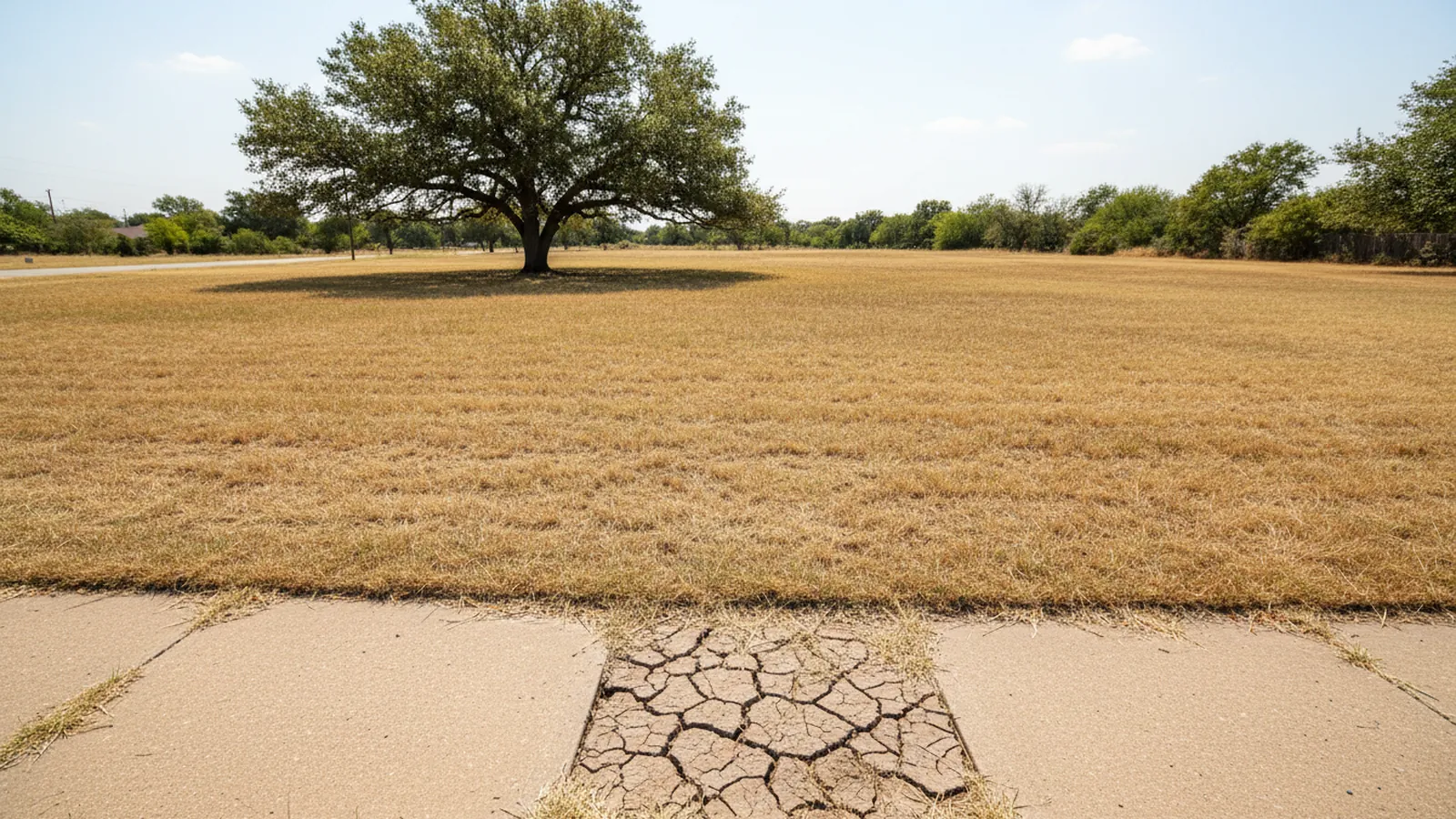
When the grass is actively growing: spring after full green-up and early fall. Not in the heat of summer when warm-season grass goes dormant, and not in winter. Feeding a dormant lawn feeds the weeds.
Is pre-emergent worth it?
In Austin, yes, twice a year. February stops crabgrass and sandbur; September stops the winter weeds that turn a Bermuda lawn into a henbit field by March. Timing is everything; late is wasted.
How short should the grass be cut?
Bermuda 1 to 2 inches, Zoysia 1.5 to 2.5, St. Augustine 3 to 4. All of them go to the top of their range in July and August to shade the soil.
Can you help with the water bill?
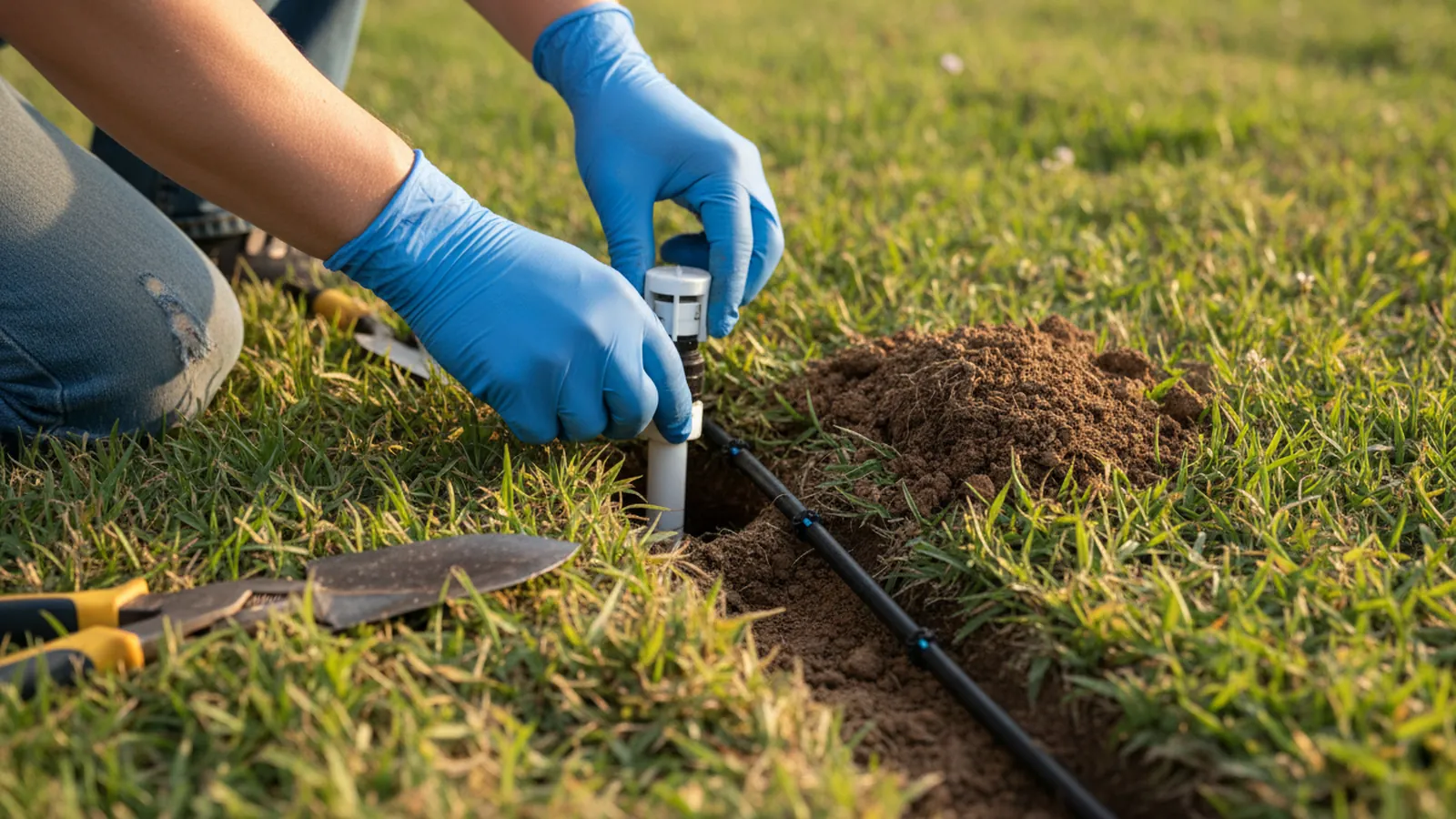
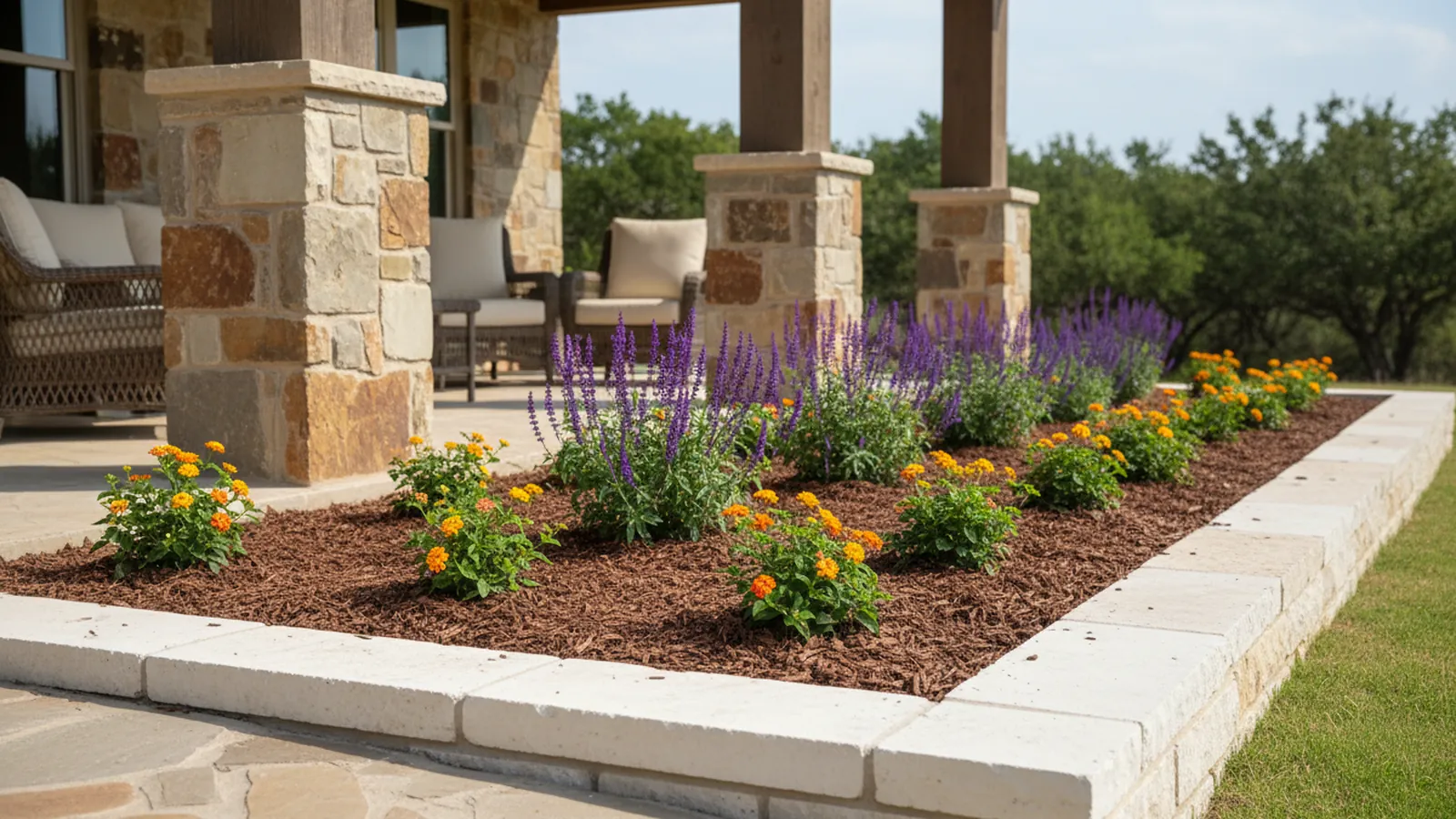
The biggest lever is the sprinkler system: audited, repaired and set to run deep on the assigned day, it uses less water and grows a better lawn. Converting beds to drip is the second lever. Replacing lawn you do not use with natives is the third.
Do I need to be home?
No. Crews work on a set day; gates need to be unlocked and dogs inside. A note is left or a photo sent after each visit.